Divertimento al Cembalo
F.J. Haydn and W.A. Mozart
—-
—
—
—
F.J. Haydn and W.A. Mozart
Music for Harpsichord, Violin and Violoncello
Divertimento al Cembalo
Franz Joseph Haydn (1732 - 1809)
Divertimento in C maj. Hob.XV: C1
Pubbl. London 1772
Allegro Moderato - Menuet & Trio - Adagio
Partita (Divertimento) in B-flat maj. Hob.XV:38
1766? (ed Cooper, London 1787)
Allegro Moderato - Menuet & Trio - Finale /Presto
Pause
Wolfgang Amadeus Mozart (1756 - 1791)
Divertimento à 3 in B-flat maj. KV 254
Salzburg, August 1776
Allegro Assai - Adagio - Rondeau, Tempo di Minuetto
Sonata in C maj. KV 296
11 March1778, Mannheim
Allegro Vivace - Andante sostenuto - Rondo Allegro
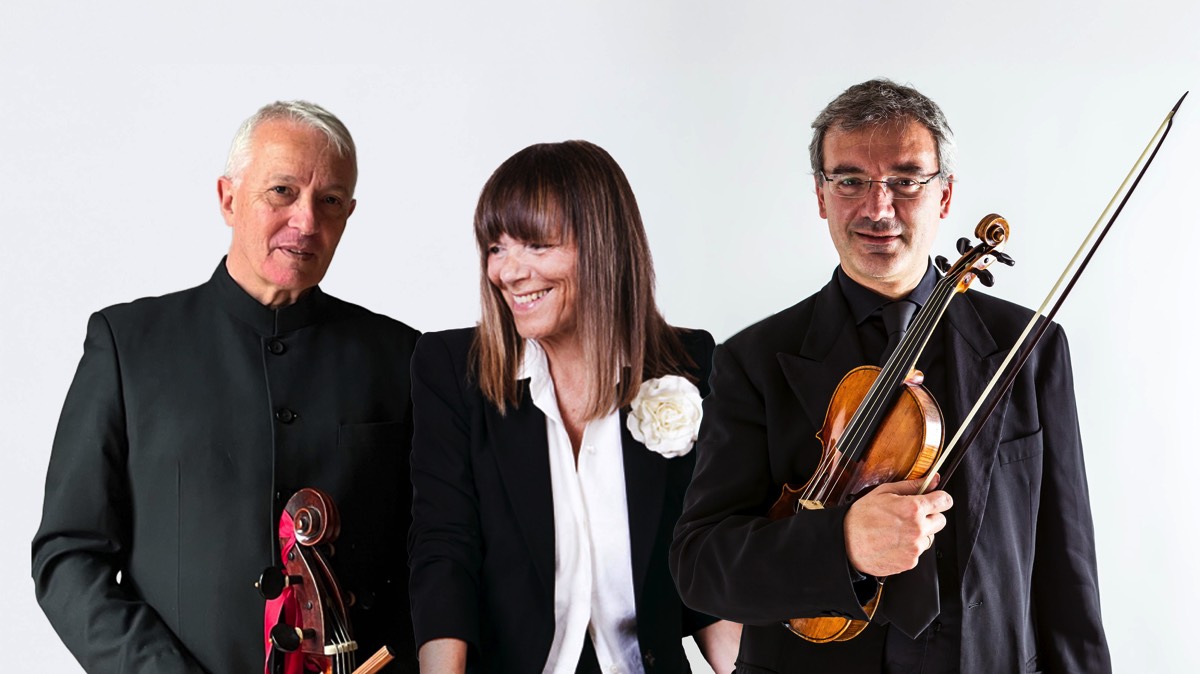
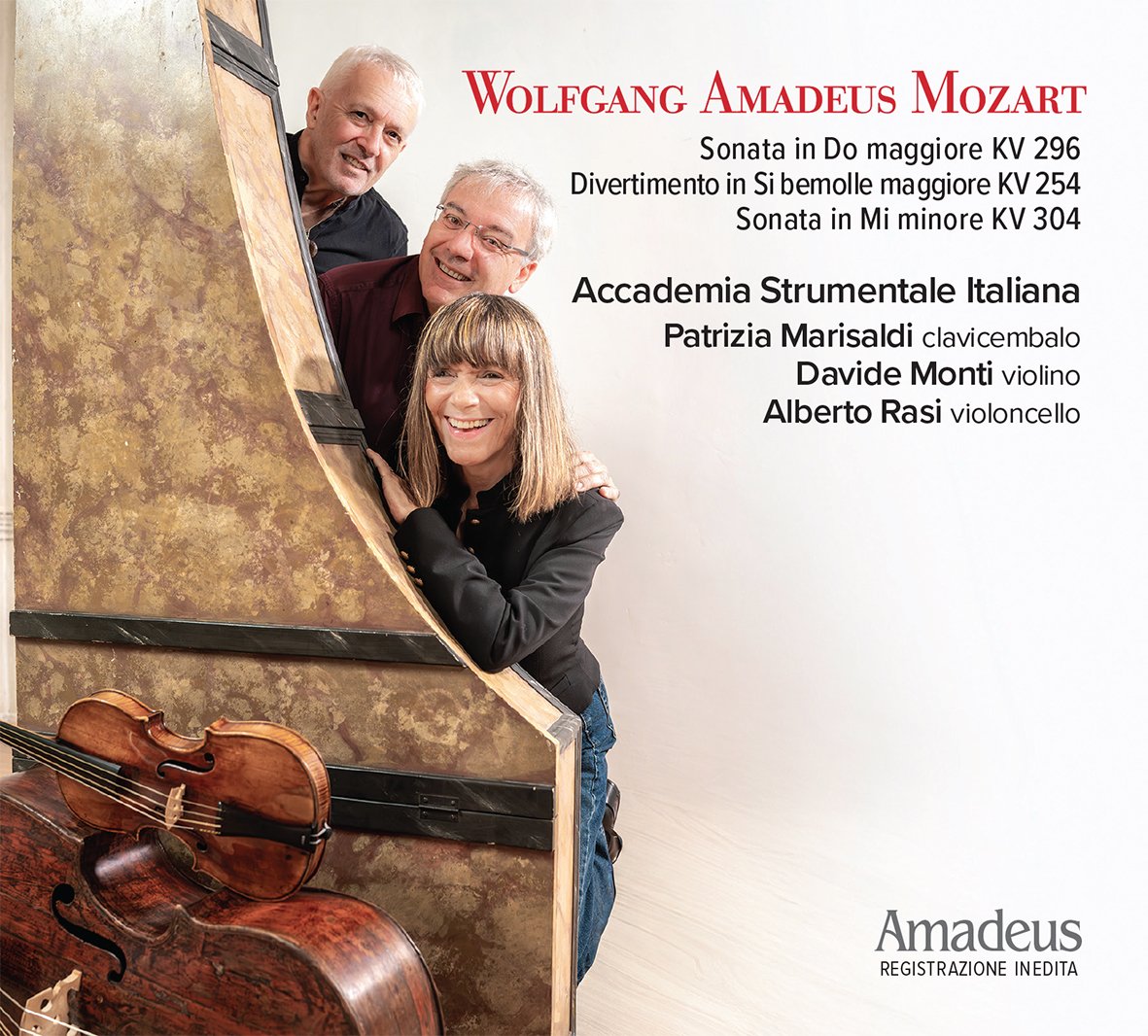
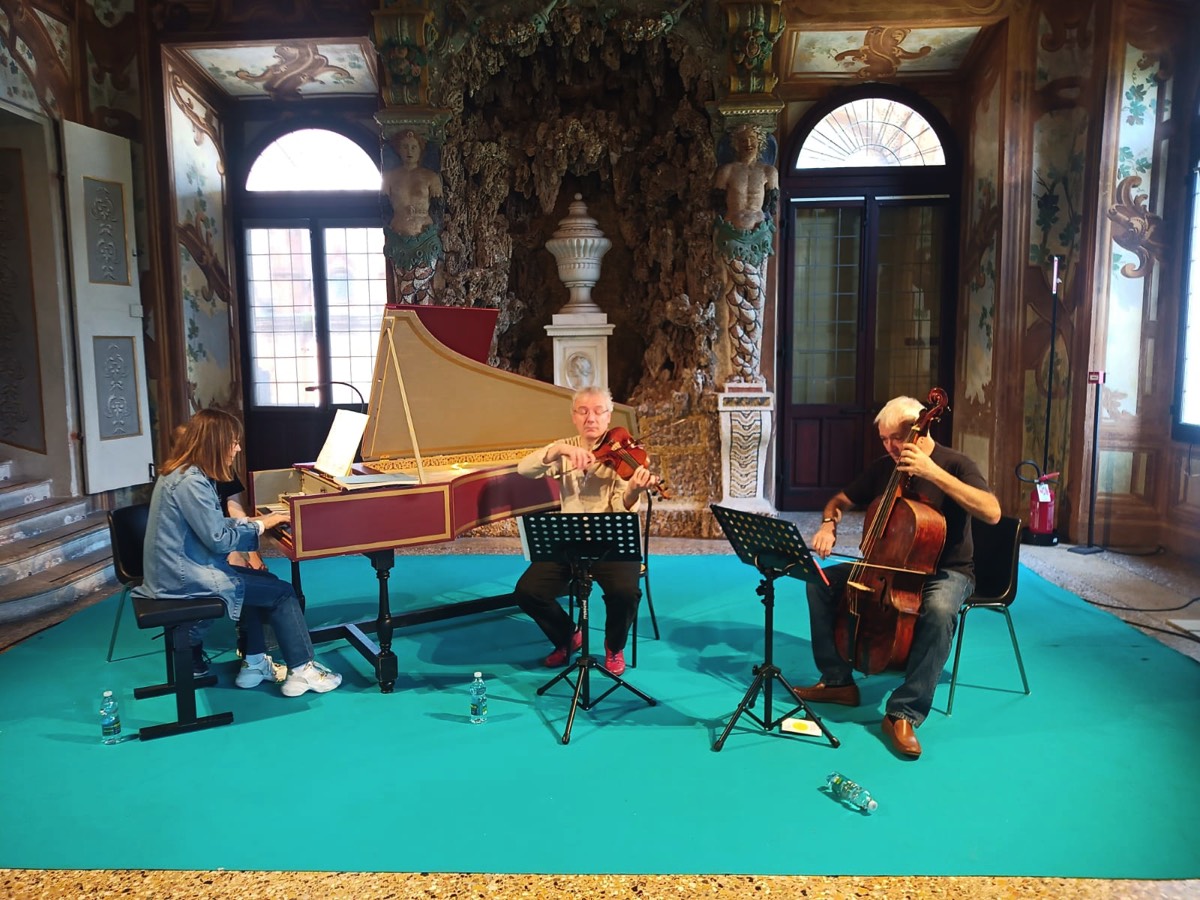
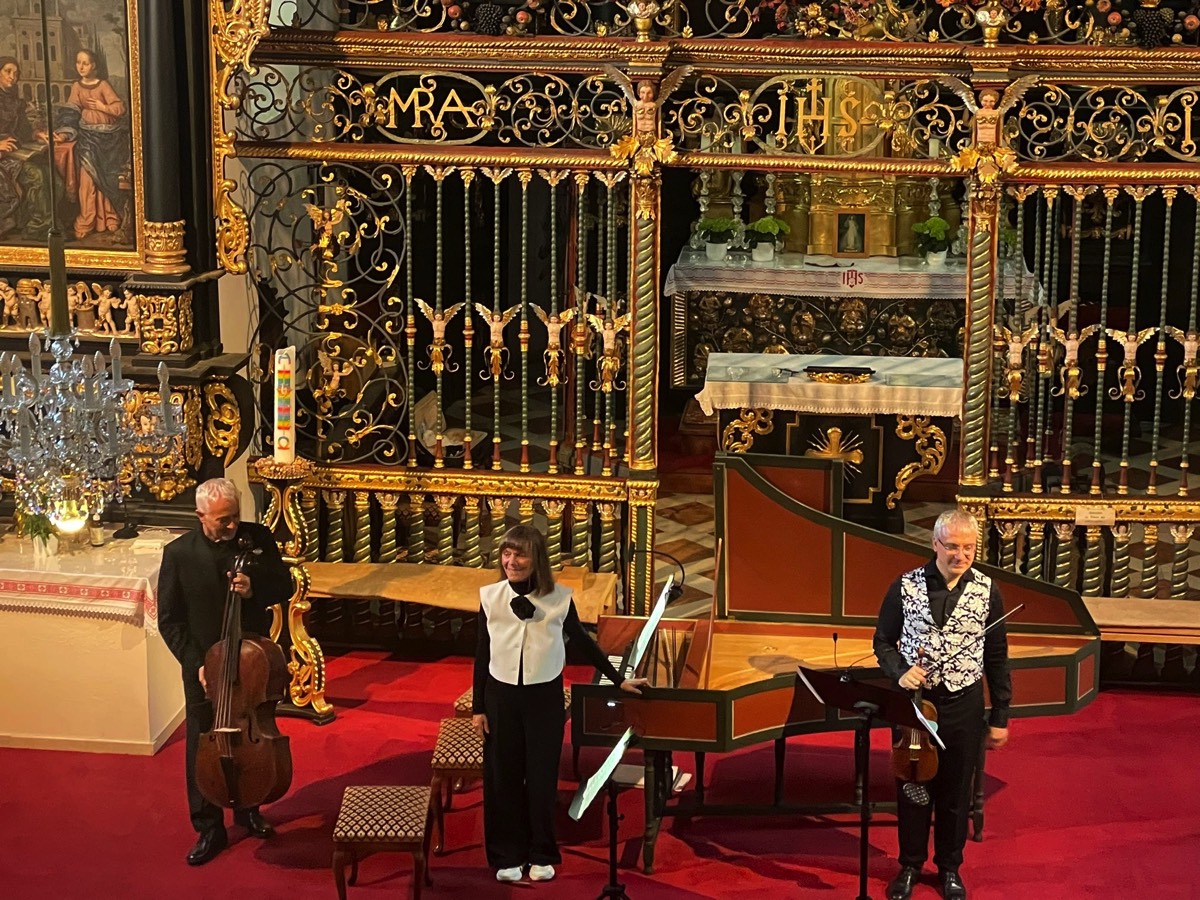
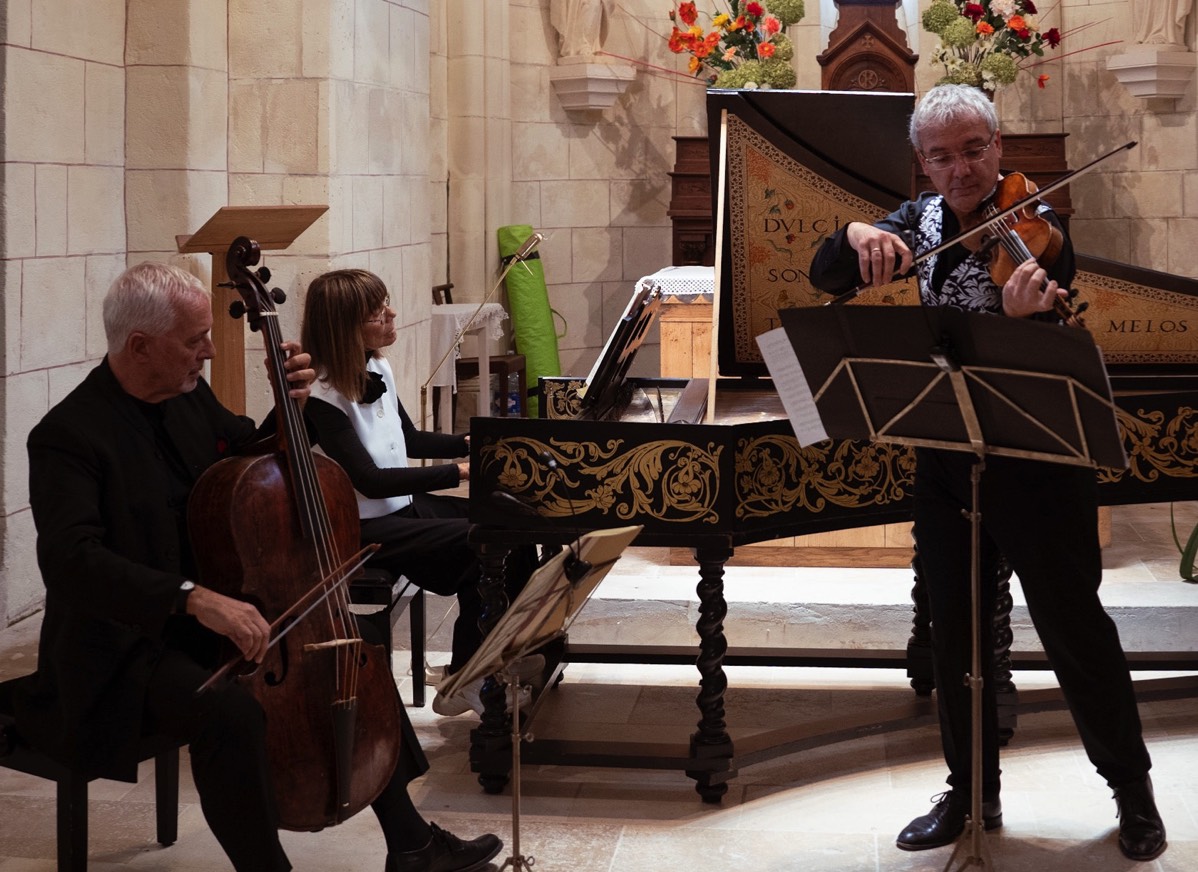
Accademia Strumentale Italiana
Patrizia Marisaldi, harpsichord
Davide Monti, violin
Alberto Rasi, violoncello
The phenomenon of the public concert began to spread from the third decade of the eighteenth century, first in England and France, then in the German-speaking regions. The novelty of this formula lies in the offering of music to a paying, general audience. Listening to music, therefore, would no longer be the exclusive privilege of an aristocracy that could afford private musical entertainments.
The access to music, now extended to a broader social class, sparked a growing interest in the personal practice of musical instruments. From this new group of practitioners came an ever-increasing demand for new works, tailored in both character and technical level to suit performers who were not necessarily professionals.
Thus emerged a repertoire of chamber music, with the keyboard as the protagonist (the piano had not yet challenged the supremacy of the harpsichord), either alone or in duo/trio with violin and cello, often under titles such as "Partita" or "Divertimento," which highlighted its amiable, conversational character, as "a conversation between friends, where the few [participants] think alike and exchange their feelings with each other, to bring variety and enliven the company" (Charles Avison, 6 Sonatas for the Harpsichord, op. 7, 1760); music, in short, that could be described as "galant," to use a term then much in vogue.
For composers and the music publishing market, this presented a new and promising field for cultivation, and one that was also financially rewarding, given the sustained demand from the public. Franz Joseph Haydn (around forty works) and Wolfgang Amadeus Mozart (seven) also devoted themselves to the keyboard trio, rescuing it from the prevailing mediocrity of a genre that was largely amateur and undemanding. In the hands of Haydn and Mozart, this instrumental combination reached a new and higher artistic dimension, with melodic invention, variety, and refinement of development, and with the three instruments engaging in an equal dialogue, where previously the model had been the keyboard sonata with violin and cello accompaniment (the two string instruments relegated to doubling or supporting the main instrument).
This practice also fully justifies the addition of the cello to the Sonata KV 296 for violin and keyboard, where the greater dynamic flexibility of the bow compared to the harpsichord (whose lower line it doubles) allows for greater emphasis on the music's expressive course.
The artistic merit of the contributions Haydn and Mozart made to the genre of the keyboard trio has only relatively recently received proper recognition in concert programs. As a result, the public has been able to discover a series of works that changed the course of this musical genre, later elevated to new heights by Beethoven.
©Accademia Strumentale Italiana 2024